Explain Change Management
Why Change Isn’t Just About Change?
Let’s start with a simple truth: change isn’t about software, systems, or processes — it’s about people.
Every organisation wants to improve — faster systems, smarter tools, leaner teams.
But change management is not about ticking off project milestones. It’s about helping humans adapt, align, and thrive in a world that keeps shifting under their feet.
When people don’t understand why change is happening or what it means for them, they cling to what feels safe. Progress stalls, morale dips, and resistance surfaces.
That’s why effective change leadership isn’t about control — it’s about clarity.
When leaders explain the “why,” show empathy for the “how,” and build confidence in the “what next,” people don’t just accept change — they accelerate it.
Because, in the end, technology can automate processes — but only people can activate progress.
Why Change Feels Harder Than It Should?
At the start of every transformation, energy is high. Plans are drawn, emails fly, and everyone seems aligned. Then something changes — enthusiasm fades, frustration creeps in, and momentum evaporates.
Why? Because humans are wired for certainty.
We like what’s familiar; it gives us confidence and control. When change threatens that comfort, even the most capable teams can feel uneasy.
Most leaders misread this moment. They respond by increasing pressure — sending more updates, setting tighter deadlines, holding more meetings.
But pressure doesn’t build progress; it builds panic.
When people feel unsafe, they enter survival mode.
They comply but don’t commit. They attend meetings but stop contributing ideas. They become passengers in a project that needs them to drive.
Change rarely fails because of bad strategy.
It fails because the emotional side of adaptation is ignored.
The next time your team resists, don’t see it as defiance — see it as data.
They’re telling you where clarity is missing and where trust must be rebuilt.
How Change Really Works: SEE → EMPATHISE → ALIGN?
Great change doesn’t happen by accident — it’s engineered with intention.
At Bhani Consulting, we use a simple but powerful approach that every leader can apply:
Step 1: See the Truth Clearly
Before you talk about training, timelines, or tools, get honest about what’s really broken.
Is the challenge in the process, the behaviour, or the mindset?
You can’t transform what you refuse to name.
Step 2: Empathise Before You Explain
Every change triggers emotion — pride, fear, loss, or excitement.
Empathy helps leaders see beyond the surface. When you take time to listen, you uncover what people value most — and what they’re afraid of losing.
Empathy turns anxiety into agency.
Step 3: Align the Narrative
Clarity isn’t a one-time announcement; it’s a rhythm of communication.
Translate corporate goals into personal benefits.
Don’t say, “We’re becoming more efficient.” Say, “This change means fewer manual tasks, fewer late nights, and more time for meaningful work.”
When leaders see what’s real, empathise with how it feels, and align everyone around a shared story, change shifts from being something people endure to something they own.
A Story: When Technology Changed but People Didn’t
A regional council invested heavily in a new ERP system.
The software worked perfectly — reports were faster, workflows cleaner, dashboards beautiful. Yet adoption stalled. Teams quietly went back to spreadsheets.
The issue wasn’t skill. It was meaning.
People thought automation was replacing their judgment. They feared the new system would make their roles less valuable.
The leadership team doubled down on training — but training doesn’t fix trust.
So they paused and reframed the story:
“This system isn’t about replacing your expertise; it’s about freeing you from the repetitive work that holds you back.”
That single shift — from fear to purpose — changed everything.
Adoption soared, morale lifted, and the same team that once resisted became champions of improvement.
The system didn’t change — the story did.
That’s the essence of effective change management: helping people feel better about the system so they can make the system better.
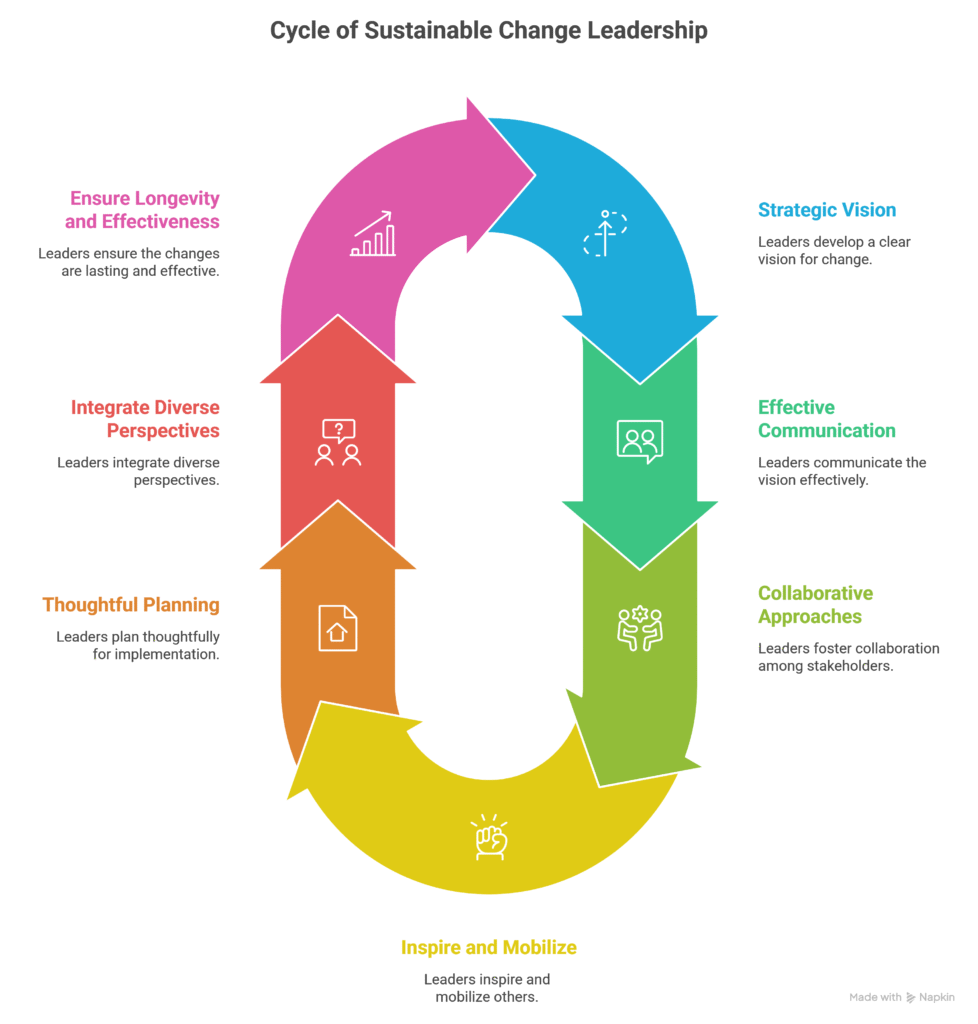
How Leaders Architect Sustainable Change?
Most organisations try to manage change — reports, trackers, deadlines.
But real transformation happens when leaders architect environments where change feels safe, supported, and shared.
Instead of asking, “How do we make people change?” ask,
“How do we make change safe enough that people want to move?”
Here’s how:
- Clarity Before Code. People follow what they understand, not what they’re told. Explain the why before the how.
- Empathy Before Execution. Data moves minds; empathy moves hearts — and hearts drive behaviour.
- Governance Before Go-Live. Set clear ownership and accountability so progress continues long after the project ends.
When leaders replace control with clarity, compliance with confidence, and pressure with purpose, teams stop waiting for direction — they start leading the change themselves.
That’s the difference between managing change and architecting transformation.
The Moment Change Truly Begins
Change doesn’t begin when systems go live — it begins when people light up.
When they finally understand how this new way helps them grow, they lean in rather than hold back.
That light — the moment of belief — is the invisible milestone every great change leader looks for.
Bringing the Architecture to Life
Most organisations approach change mechanically — through checklists and emails.
But the ones that thrive treat change as a living architecture built on trust, empathy, and purpose.
At Bhani Consulting, we help leaders stabilise, embed, and optimise change so their people move forward with confidence, not compliance.
We call it turning resistance into readiness.
Book a Clarity Workshop — and let’s turn your next transformation from a project into a partnership.